In today’s digital world, online privacy is becoming more important than ever. Whether you are using public WiFi at a café, browsing social media, watching videos, or accessing your banking apps, your internet activity can sometimes be exposed to hackers, trackers, or unsafe networks. This is where VPNs become useful.
A VPN (Virtual Private Network) helps protect your internet connection by encrypting your data and hiding your IP address. In simple words, it creates a safer and more private browsing experience. Many people think VPNs are only for tech experts, but the reality is that even everyday internet users can benefit from using one.
Imagine connecting to free airport WiFi while checking your email or making an online payment. Without proper protection, cybercriminals on the same network may try to intercept sensitive information. This is one of the biggest reasons why cybersecurity experts recommend using secure browsing tools and following proper online safety practices.
If you are new to internet security, you can also read our guide on Cybersecurity: Definition, Types, Threats, Trends, and Best Practices to understand how online threats are evolving today.
Why You Need a VPN for Safe Browsing
Many websites, apps, and advertisers track user activity online. Your internet service provider may also collect browsing data. A VPN helps reduce these privacy risks by encrypting your internet traffic.
Here are some common situations where a VPN can help:
- Using public WiFi safely
- Protecting personal information while traveling
- Preventing tracking from websites
- Accessing the internet more privately
- Securing online banking connections
For example, imagine you are sitting in a coffee shop using free WiFi. A hacker connected to the same network may attempt to monitor unsecured traffic. While a VPN cannot stop every cyber threat, it can make data interception much more difficult.
If you often connect to public networks, you should also read our article on How to Secure Your WiFi Router from Hackers because home network security is equally important.
Are Free VPNs Safe to Use?
This is one of the most common questions people ask.
The truth is that not all free VPNs are safe. Some unknown VPN apps collect user data, display excessive ads, or provide weak security protection. A few free VPN services have even been caught selling browsing data to third parties.
However, some trusted companies provide limited free VPN plans mainly to introduce users to their premium services. These are usually safer options.
A good free VPN should offer:
- Strong encryption
- Transparent privacy policy
- Trusted company reputation
- No hidden malware
- Secure protocols
- Regular updates
You should avoid downloading random VPN apps from unknown websites because fake VPN services can sometimes become a cybersecurity risk themselves.
If you want to understand how attackers trick internet users into downloading fake software, check our detailed guide on What is Phishing Email? where we explain real-world phishing examples and online scams.
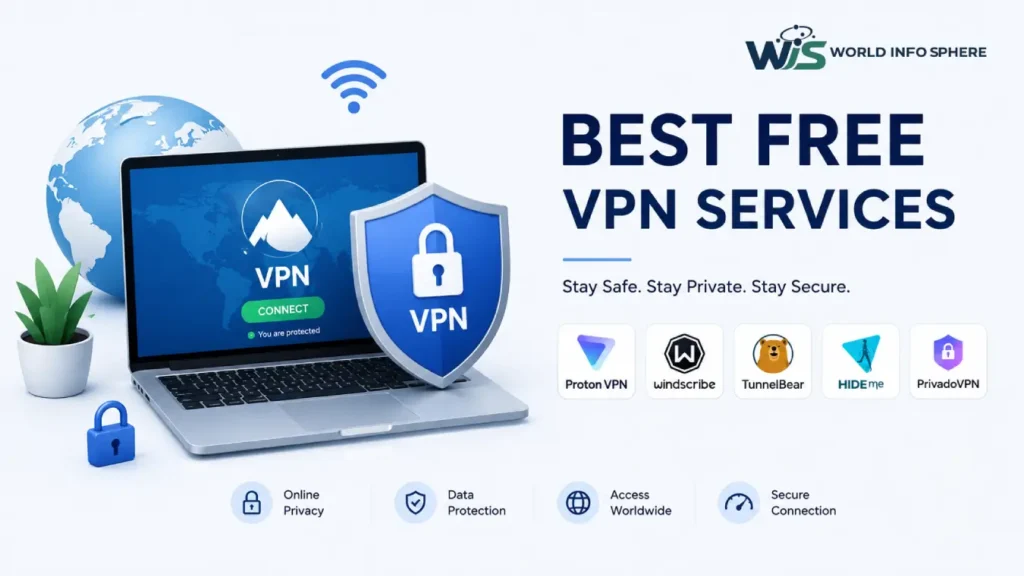
Best Free VPNs for Privacy and Security
1. Proton VPN
Proton VPN is one of the most trusted free VPN services available today. It is known for its strong privacy protection and simple user experience.
Key Features:
- Unlimited data on free plan
- Strong encryption
- No activity logs
- Beginner-friendly interface
Pros:
- Excellent privacy reputation
- No ads
- Good security practices
Cons:
- Limited server locations
- The free version can be slower during peak hours
Proton VPN is often recommended for people who mainly want safer browsing and privacy protection. Proton VPN is widely known for its strong privacy protection and unlimited free data plan. Users who want a beginner-friendly VPN can explore Proton VPN for more details.
2. Windscribe
Windscribe is another popular free VPN with good security features and flexible settings. It offers a free monthly data allowance along with useful privacy tools such as ad and tracker blocking. Many users prefer Windscribe because of its user-friendly interface and browser extensions, making it suitable for both beginners and regular internet users.
Key Features:
- Free monthly data allowance
- Ad and tracker blocking
- Multiple server locations
Pros:
- Easy to use
- Good browser extensions
- Helpful privacy tools
Cons:
- Data limit on the free plan
- Some servers may feel crowded
Windscribe is useful for users who want a balance between privacy and everyday browsing. Users who want to explore its features, plans, and privacy options can visit the official Windscribe VPN.
3. TunnelBear
TunnelBear is widely known for its simple and friendly design. It is often recommended for beginners who are using a VPN for the first time because of its easy setup and clean interface. The VPN provides strong encryption and basic privacy protection, making it suitable for casual browsing and everyday internet use.
Key Features:
- Simple interface
- Strong encryption
- Beginner-friendly apps
Pros:
- Very easy setup
- Trusted company
- Good security basics
Cons:
- Limited free monthly data
TunnelBear VPN is known for its simple design and beginner-friendly experience. It offers strong encryption and easy setup, making it a suitable choice for people who are new to VPN services. Users can visit the official TunnelBear VPN to learn more.
4. Hide.me
Hide.me focuses strongly on privacy and security. It offers several advanced features even in the free version, making it a popular choice among users who care about protecting their online activity. The VPN uses secure encryption protocols and follows a strict no-log policy, which helps improve user privacy while browsing the internet.
Key Features:
- No-log policy
- Good security protocols
- Free server access
Pros:
- Strong privacy reputation
- Fast setup
- Good technical security
Cons:
- Limited free features compared to premium plans
Hide.me is a good option for users who want strong privacy-focused features in a free VPN service. Users interested in exploring its security tools, privacy features, and available plans can visit the official Hide.me VPN.
5. PrivadoVPN
PrivadoVPN has become increasingly popular because it offers decent speeds and a modern interface. It is designed for users who want a smooth and beginner-friendly VPN experience while also improving their online privacy and browsing security. The free plan includes secure encryption and useful privacy features that make it suitable for everyday internet use.
Key Features:
- Free monthly data
- Streaming support
- Secure encryption
Pros:
- Smooth browsing experience
- User-friendly apps
- Good performance
Cons:
- Limited servers for free users
PrivadoVPN is a good choice for users looking for a balance between privacy, speed, and ease of use. Users who want to explore its features, free plan details, and security options can visit the official PrivadoVPN.
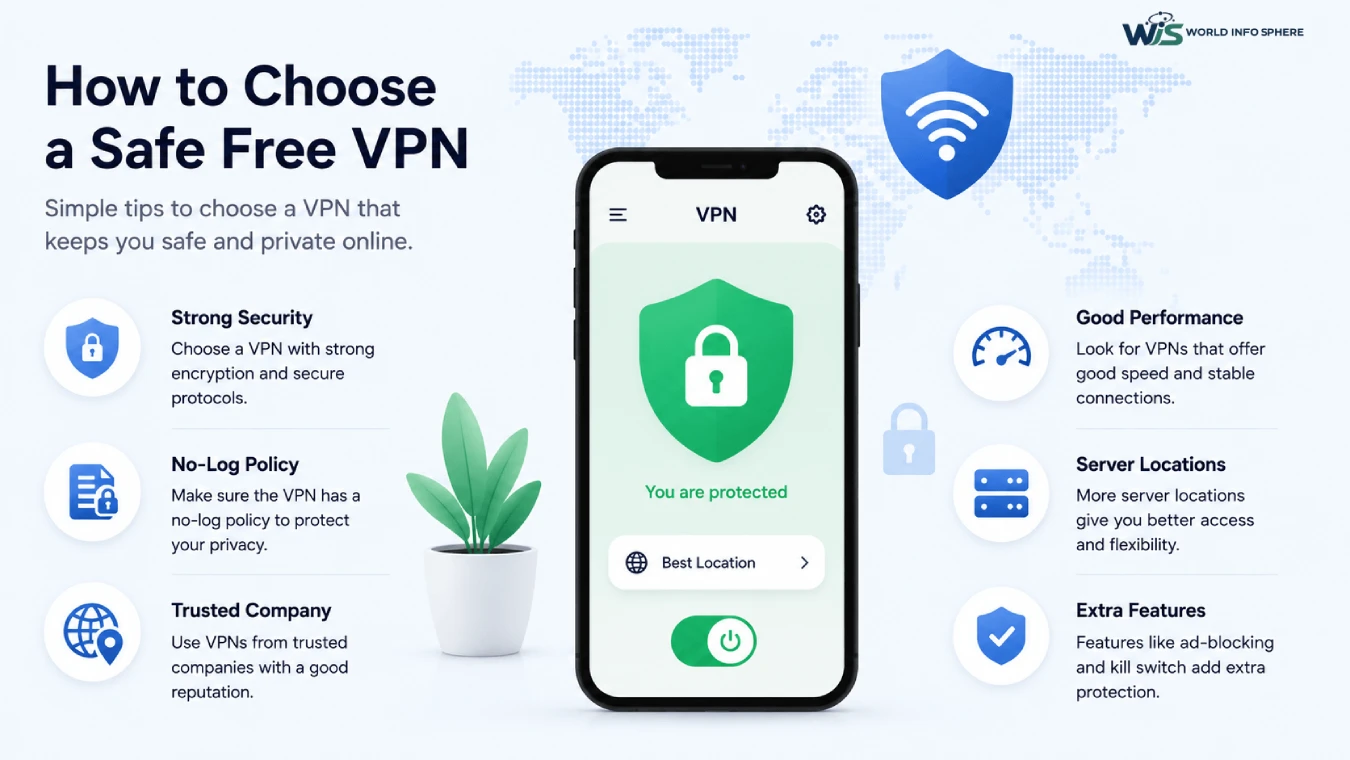
How to Choose a Safe Free VPN
Choosing a VPN should not only depend on popularity. Many users install the first free VPN they find online without checking whether it is trustworthy.
Before using any VPN, check:
Company Reputation
Search whether the VPN company has faced privacy controversies in the past.
Privacy Policy
A trustworthy VPN should clearly explain how user data is handled.
Security Features
Look for:
- AES encryption
- Kill switch
- Secure protocols
- No-log policy
App Permissions
Be careful if a VPN app asks for unnecessary permissions on your phone.
This is especially important for mobile users. Many fake apps pretend to be security tools while secretly collecting user information. If you want to improve mobile safety further, read our guide on How to Protect Your Phone from Hackers (Complete Guide).
Free VPN Risks You Should Know
Even trusted free VPNs come with limitations.
Slower Speeds
Free servers are often crowded because many users share them.
Limited Data
Most free plans offer monthly browsing limits.
Fewer Locations
Premium VPNs usually provide more countries and faster connections.
Not Complete Cybersecurity Protection
A VPN helps improve privacy, but it cannot protect users from every online threat.
For example:
- A VPN cannot fully stop phishing attacks
- Weak passwords remain dangerous
- Malware downloads are still risky
This is why online safety should always include good cybersecurity habits.
You can learn more about modern digital protection in our article What Is AI Security? A Complete Guide, where we explain how AI is changing the future of cybersecurity.
Real-Life Example: Why VPN Awareness Matters
A college student once connected to public WiFi at a railway station to check email and social media. The network looked normal, but it was actually a fake hotspot created by attackers nearby. Since the connection was unsecured, sensitive browsing activity could have been exposed.
Situations like this happen more often than many people realize. Public WiFi networks in airports, malls, hotels, and cafés can sometimes become targets for cybercriminals.
Using a VPN together with strong online habits can reduce these risks significantly.
You should also follow the safety tips mentioned in our guide How to Stay Safe Online in 2026 because internet threats continue evolving every year.
Frequently Asked Questions
Which free VPN is best for privacy?
Proton VPN is often considered one of the better free VPNs for privacy-focused users because of its strong reputation and no-log policy.
Is a free VPN completely safe?
Not always. Some trusted VPN providers offer safe free plans, but many unknown VPN apps may collect data or show harmful ads.
Can a VPN protect me from hackers?
A VPN improves online privacy and makes certain attacks harder, especially on public WiFi, but it does not replace full cybersecurity protection.
Should I use a VPN on public WiFi?
Yes. Public WiFi networks can sometimes expose users to security risks, so using a VPN is generally recommended.
Do VPNs slow down internet speed?
Some slowdown is normal because your traffic is encrypted, but high-quality VPNs usually maintain decent browsing speeds.
Recommended Reading
What is Virtual Reality (VR) ?: Explore the Future of Digital Technology
How to earn money using AI Tools? Amazing Tips 2026
Best AI Image Generator Tools for Designers
Best AI Tools for Content Creators and YouTubers
How to Create a Gig (Step-by-Step Process for Beginners)
Best Cyber Security AI Tools: AI-Powered Security Solutions Guide
What Is Digital Marketing? Benefits, Types, and How It Works
Conclusion
Free VPNs can be useful tools for improving online privacy and securing your browsing activity, especially when using public networks. However, choosing a trusted VPN provider is extremely important because not every free VPN service is safe.
Instead of blindly downloading random apps, focus on trusted companies, transparent privacy policies, and strong cybersecurity habits. A VPN should be viewed as one part of your overall online safety strategy – not a complete solution.
As cyber threats continue growing in 2026, staying informed about internet privacy, phishing scams, secure browsing, and digital protection is becoming more important for every internet user.