Table of Contents
Introduction
The internet has transformed the way we work, communicate, shop, and manage our daily lives. However, as technology continues to advance, cybercrime has also become more sophisticated. Behind many cyberattacks, data breaches, ransomware incidents, and online scams are individuals known as Black Hat Hackers.
When people hear the word “hacker,” they often imagine someone sitting in a dark room, breaking into systems and stealing sensitive information. While that image is partly based on reality, not all hackers have malicious intentions. Some hackers work to improve security, while others exploit vulnerabilities for personal gain. Black Hat Hackers belong to the latter category.
Understanding what a Black Hat Hacker is, how they operate, and how they differ from ethical hackers is essential in today’s digital world. Whether you are an individual internet user, a business owner, or someone interested in cybersecurity, knowing the risks can help you stay protected.
What Is a Black Hat Hacker?
A Black Hat Hacker is a person who illegally gains access to computer systems, networks, websites, or digital devices with malicious intent. Their primary goal is usually financial gain, data theft, espionage, disruption, or personal advantage.
Unlike security professionals who identify vulnerabilities to improve security, Black Hat Hackers exploit those vulnerabilities without permission. Their activities often violate laws and regulations and can result in significant damage to individuals and organizations.
For example, if a hacker gains unauthorized access to an online store’s database and steals customer credit card information, that individual would be classified as a Black Hat Hacker.
Why Are They Called “Black Hat” Hackers?
The terms Black Hat and White Hat originated from old Western movies. Villains often wore black hats, while heroes wore white hats.
In cybersecurity:
- White Hat Hackers help organizations improve security.
- Black Hat Hackers exploit weaknesses for illegal purposes.
- Grey Hat Hackers fall somewhere in between.
If you want to understand ethical security professionals better, you can read our guide on “What Is a White Hat Hacker? Complete Guide for Beginners“ and “What Is Ethical Hacking? Complete Beginner Guide.”
Main Goals of Black Hat Hackers
Black Hat Hackers may have different motivations, but their goals often include:
Financial Gain
Money is one of the most common motivations.
Hackers may:
- Steal banking information
- Sell stolen data on underground marketplaces
- Deploy ransomware
- Conduct online fraud
For example, a hacker who encrypts a company’s files and demands payment for restoration is attempting to profit financially.
Identity Theft
Personal information has become extremely valuable.
Hackers often target:
- Email accounts
- Social media profiles
- Government identification records
- Banking credentials
Stolen identities can be used for fraudulent transactions or sold to other cybercriminals.
Corporate Espionage
Some cybercriminals target businesses to steal:
- Trade secrets
- Customer databases
- Product designs
- Financial information
This information may be sold to competitors or used for further attacks.
Political or Ideological Motives
Certain attacks are motivated by political agendas, activism, or attempts to influence public opinion.
Reputation Damage
Hackers may target organizations simply to cause disruption, embarrassment, or loss of trust.
Common Techniques Used by Black Hat Hackers
Black Hat Hackers rarely rely on a single attack method. Instead, they use various techniques to compromise systems.
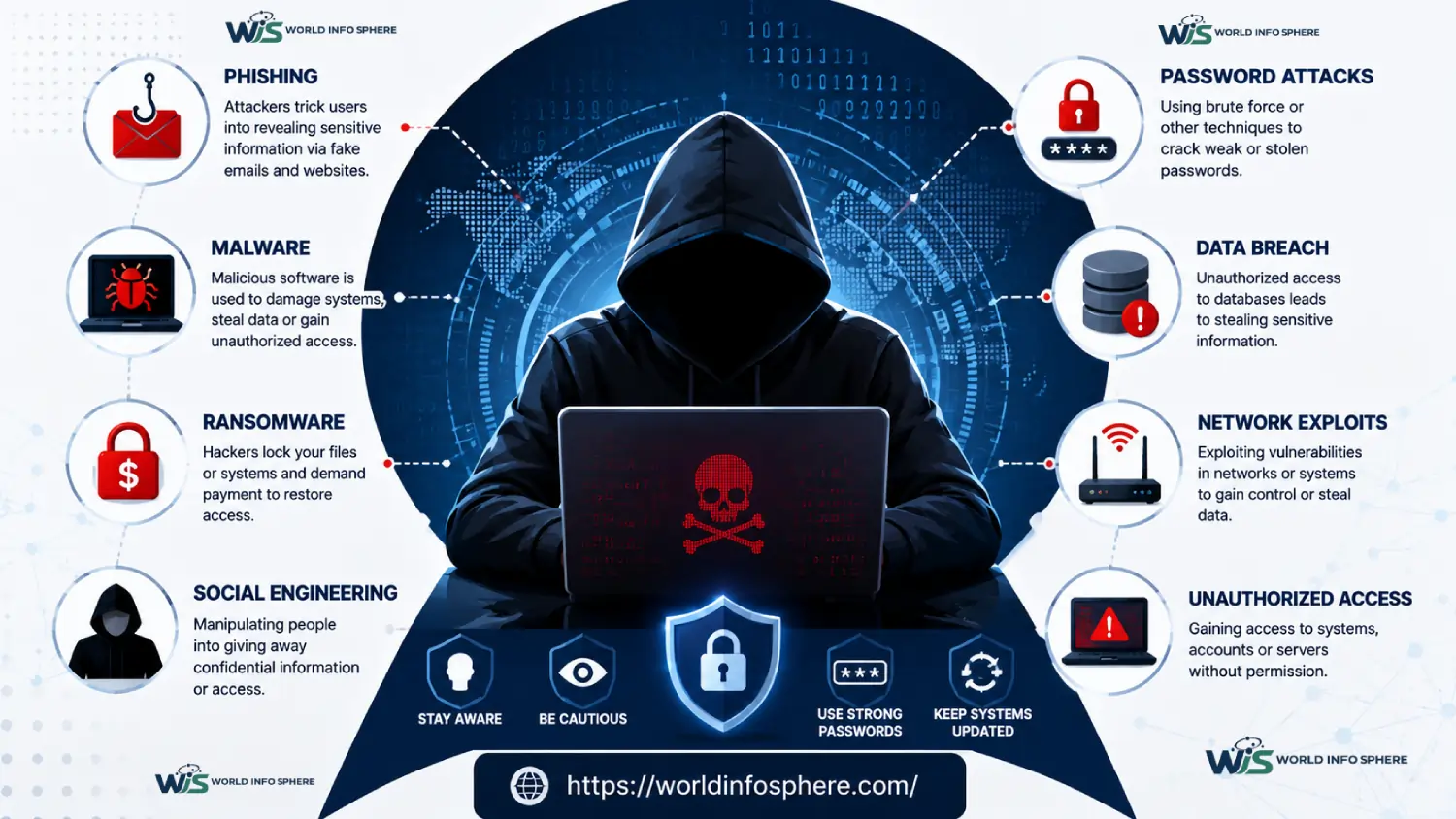
Phishing Attacks
Phishing remains one of the most effective cyberattack methods.
A hacker may send an email pretending to be:
- A bank
- A government agency
- A social media platform
- A trusted company
The goal is to trick victims into revealing passwords or financial information.
If you’d like a deeper explanation, check out “What is Phishing Email? How to Identify It and Easy Ways to Protect Yourself.”
Malware
Malware refers to malicious software designed to damage, monitor, or gain unauthorized access to systems.
Examples include:
- Viruses
- Worms
- Trojans
- Spyware
- Ransomware
Once installed, malware can steal data, monitor activity, or provide remote access to attackers.
Password Attacks
Weak passwords remain a major cybersecurity problem.
Hackers often use:
- Brute-force attacks
- Credential stuffing
- Password spraying
- Dictionary attacks
This is why following strong password practices is essential. Learn more in “Password Safety Tips for Beginners: How to Keep Your Accounts Secure Online.“
Exploiting Software Vulnerabilities
Software often contains security flaws.
If developers fail to patch vulnerabilities quickly, hackers can exploit them to gain access to systems.
This is one reason why regular software updates are critical.
Social Engineering
Not all attacks involve advanced technical skills.
Many Black Hat Hackers manipulate people rather than technology.
For example:
A hacker may call an employee pretending to be technical support and convince them to reveal login credentials.
Real-World Example of a Black Hat Attack
Imagine a small online business that uses outdated website software.
A Black Hat Hacker discovers a vulnerability and gains access to the website’s database.
The attacker steals:
- Customer names
- Email addresses
- Passwords
- Payment information
The stolen data is then sold online.
As a result:
- Customers lose trust.
- The business suffers financial losses.
- Legal consequences may follow.
- Reputation damage becomes difficult to repair.
This scenario demonstrates why cybersecurity is no longer optional.
How Black Hat Hackers Target Smartphones
Many people assume cyberattacks only affect computers.
In reality, smartphones have become major targets because they contain:
- Personal photos
- Banking apps
- Passwords
- Contact information
- Business data
Common mobile threats include:
- Fake applications
- Malicious links
- Spyware
- SMS phishing attacks
To learn how to protect your mobile device, read “How to Protect Your Phone from Hackers (Complete Guide).“
WiFi Networks: A Favorite Target
Home networks are often poorly secured.
Hackers may exploit:
- Weak passwords
- Outdated router firmware
- Default administrator credentials
Once inside a network, attackers may intercept traffic or compromise connected devices.
For practical protection strategies, see “How to Secure Your WiFi Router from Hackers.“
Black Hat Hacker vs White Hat Hacker
Although both possess technical skills, their intentions differ significantly.
Black Hat Hackers:
- Operate without authorization
- Break laws
- Exploit vulnerabilities
- Seek personal gain
White Hat Hackers:
- Work with permission
- Improve security
- Conduct authorized testing
- Help organizations defend systems
The difference is not skill level but intent and legality.
Cybersecurity professionals use similar tools and techniques, but they do so ethically and legally to strengthen security.
Famous Black Hat Hacker Cases That Changed Cybersecurity
Over the years, several Black Hat Hacker attacks have demonstrated how damaging cybercrime can be. These incidents affected millions of people and forced organizations to improve their security practices.
One of the most well-known examples is the WannaCry ransomware attack. The malware spread rapidly across the globe and infected hundreds of thousands of computers. Hospitals, businesses, and government organizations were affected, causing major disruptions.
Another notable example involved large-scale data breaches where attackers gained unauthorized access to customer databases containing email addresses, passwords, and personal information. Such incidents highlight the importance of strong cybersecurity measures and regular security updates.
These cases show that even large organizations with significant resources can become victims if security vulnerabilities are not addressed promptly.
The Rise of AI-Powered Cyber Threats
Artificial intelligence has transformed many industries, including cybersecurity. While AI helps security teams detect threats faster, it also provides new opportunities for cybercriminals.
Modern Black Hat Hackers can use AI to:
- Create convincing phishing emails
- Automate attacks
- Analyze stolen data
- Identify vulnerabilities more efficiently
- Generate realistic fake content
For example, attackers can use AI tools to create phishing messages that closely resemble legitimate communications from banks, companies, or government agencies.
This growing threat is one reason why organizations are investing heavily in AI-powered security solutions.
If you want to learn more about this topic, consider reading:
- What Is AI Security? A Complete Guide to AI Threats, Risks, and Protection
- Best Cyber Security AI Tools: AI-Powered Security Solutions Guide
How Black Hat Hackers Impact Businesses
Many people assume cyberattacks only target large corporations. In reality, small and medium-sized businesses are often targeted because they may have weaker security controls.
A successful Black Hat Hacker attack can result in:
Financial Losses
Businesses may lose money through:
- Stolen funds
- Ransom payments
- System recovery costs
- Legal expenses
Data Breaches
Customer information is extremely valuable.
Hackers may steal:
- Names
- Email addresses
- Passwords
- Payment details
- Personal records
Reputation Damage
Trust is difficult to build and easy to lose.
When customers learn that a company has suffered a data breach, they may choose to do business elsewhere.
Operational Disruption
Cyberattacks can shut down critical systems, causing interruptions to daily operations and reducing productivity.
Common Warning Signs of a Black Hat Hacker Attack
Recognizing the signs of a potential attack can help minimize damage.
Some common indicators include:
- Unexpected password changes
- Unknown software installations
- Unusual network activity
- Suspicious login attempts
- Frequent system crashes
- Slow device performance
- Unauthorized financial transactions
If you notice any of these warning signs, immediate action should be taken to investigate the issue.
How to Protect Yourself from Black Hat Hackers
Although cyber threats continue to evolve, there are several practical steps individuals and businesses can take to reduce risk.
Use Strong Passwords
Weak passwords remain one of the biggest cybersecurity weaknesses.
A strong password should:
- Be unique
- Contain a mix of letters, numbers, and symbols
- Avoid personal information
For additional guidance, see Password Safety Tips for Beginners: How to Keep Your Accounts Secure Online.
Enable Multi-Factor Authentication
Multi-factor authentication adds an extra layer of security by requiring additional verification beyond a password.
Even if a hacker obtains your password, MFA can help prevent unauthorized access.
Keep Software Updated
Software updates often contain security patches that fix known vulnerabilities.
Delaying updates can leave systems exposed to Black Hat Hacker attacks.
Be Careful with Emails and Links
Many cyberattacks begin with phishing emails.
Always verify:
- Sender information
- Website URLs
- Attachments
- Requests for sensitive information
For a deeper explanation, read What is Phishing Email? How to Identify It and Easy Ways to Protect Yourself.
Secure Your Home Network
A poorly secured WiFi network can become an easy target.
Basic security measures include:
- Changing default router credentials
- Using strong WiFi passwords
- Updating router firmware
Learn more in How to Secure Your WiFi Router from Hackers.
Protect Mobile Devices
Smartphones contain valuable personal and financial information.
Users should:
- Download apps only from trusted sources
- Avoid suspicious links
- Install security updates regularly
You can learn more in How to Protect Your Phone from Hackers (Complete Guide).
Use a Reliable VPN
A Virtual Private Network can help protect internet traffic, especially when using public WiFi networks.
If you are looking for options, see Best Free VPNs for Safe Browsing in 2026.
Can Black Hat Hackers Be Stopped Completely?
The reality is that cybercrime cannot be eliminated entirely.
Technology evolves constantly, and attackers continue developing new techniques.
However, organizations and individuals can significantly reduce risk through:
- Security awareness training
- Strong security policies
- Regular software updates
- Threat monitoring
- Secure authentication practices
Cybersecurity is not a one-time activity but an ongoing process.
The Future of Black Hat Hacking
The cybersecurity landscape continues to evolve rapidly.
Future Black Hat Hacker threats may involve:
- AI-powered attacks
- Deepfake scams
- Advanced ransomware campaigns
- Cloud security exploitation
- Internet of Things (IoT) vulnerabilities
As technology becomes more interconnected, the importance of cybersecurity will continue to grow.
Understanding emerging threats and staying informed will remain essential for protecting digital assets.
For a broader understanding of current trends and security strategies, explore:
- Cybersecurity: Definition, Types, Threats, Trends, and Best Practices
- How to Stay Safe Online in 2026 (Most People Ignore These Risks)
Also, read this article:
What Is SEO? 10 Powerful Benefits and Beginner’s Guide for 2026
How AI Chatbots Work: A Beginner’s Guide to AI Conversations
Best Free VPNs for Safe Browsing in 2026
Conclusion
Black Hat Hackers continue to pose a serious threat to individuals, businesses, and governments worldwide. Their methods range from phishing attacks and malware infections to ransomware campaigns and sophisticated data breaches.
Understanding what a Black Hat Hacker is, how Black Hat Hacking works, and the techniques attackers use is the first step toward improving security. While cyber threats cannot be eliminated entirely, proactive security measures can significantly reduce risk.
By using strong passwords, enabling multi-factor authentication, keeping software updated, securing WiFi networks, protecting mobile devices, and staying informed about emerging cyber threats, users can strengthen their defenses against cybercriminals.
In today’s digital world, cybersecurity awareness is no longer optional—it is an essential skill for everyone who uses the internet.
Frequently Asked Questions (FAQs)
What is a Black Hat Hacker?
A Black Hat Hacker is an individual who illegally accesses computer systems, networks, or devices to steal data, cause damage, commit fraud, or gain unauthorized benefits.
Are Black Hat Hackers Illegal?
Yes. Black Hat Hacking activities are illegal in most countries because they involve unauthorized access, data theft, fraud, or other criminal actions.
What is the difference between a Black Hat Hacker and a White Hat Hacker?
Black Hat Hackers exploit vulnerabilities for malicious purposes, while White Hat Hackers identify vulnerabilities to improve security and help organizations stay protected.
How do Black Hat Hackers make money?
They may profit through ransomware attacks, data theft, identity fraud, financial scams, or selling stolen information.
What tools do Black Hat Hackers use?
They may use malware, phishing kits, exploit frameworks, password-cracking tools, and social engineering techniques.
Can Black Hat Hackers target smartphones?
Yes. Smartphones are common targets because they store personal information, financial data, and account credentials.
What is the most common Black Hat Hacker attack?
Phishing remains one of the most common and effective attack methods used by cybercriminals.
How can businesses defend against Black Hat Hackers?
Businesses should implement strong passwords, MFA, employee security training, software updates, endpoint protection, and continuous monitoring.
Why are small businesses targeted?
Many small businesses have limited cybersecurity resources, making them attractive targets for attackers.
Can antivirus software stop Black Hat Hackers?
Antivirus software helps detect many threats but should be part of a broader cybersecurity strategy rather than the only defense.
Disclaimer: This article is provided for educational and informational purposes only. World Info Sphere does not promote, encourage, or support any unauthorized access, hacking, or illegal cyber activities. Readers are responsible for complying with applicable laws and regulations. World Info Sphere is not responsible for any misuse of the information provided in this content.