Introduction to Virtual Reality (VR)
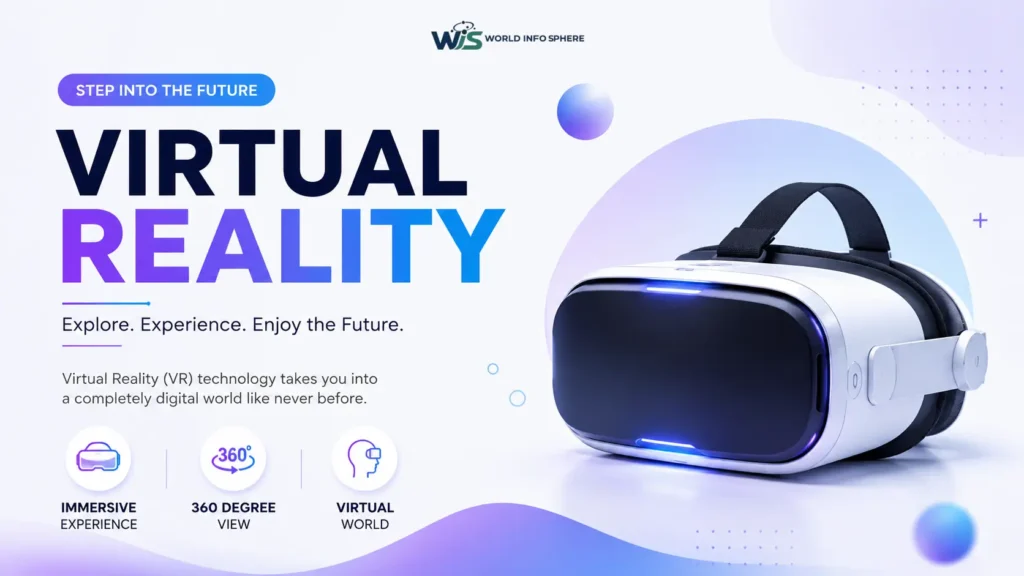
Virtual reality is a modern technology that takes a person to a digital world created by a computer. While using VR, a person wears a special type of headset, through which he feels that he is actually present in that world. In today’s time, VR is not limited to gaming only, but its use is also increasing in fields like education, medical, business, film industry and real estate.
VR is used the most in the gaming industry. VR Games are becoming very popular among people because they give a real life feeling. When a person plays a game wearing a VR headset, he feels like he is inside the game. Nowadays, searches for keywords like “Best VR Games” and “VR Gaming Setup” are also increasing a lot.
VR technology is proving to be very useful for students in the field of education. Now students do not just read in books, but can get a live experience of history, science and space through VR. For example, students can take a virtual tour of the solar system through VR or understand the human body parts in 3D. Keywords like “VR in Education” and “VR for Students” are trending rapidly these days.
VR is also becoming very helpful in the medical field. Doctors practice through VR Simulation before surgery, due to which the treatment becomes safer and more effective. Apart from this, VR Therapy is also being used for mental health.
In the coming times, VR and Metaverse technology can become an important part of our daily lives. According to experts, in the future, people will also experience online meetings, shopping, education and travel through VR.
Why Are VR Games Becoming So Popular?
Nowadays, people are increasingly choosing VR Games over traditional mobile and PC games because they offer a more immersive and realistic experience. Unlike conventional gaming, Virtual Reality Gaming allows players to interact with a digital environment as if they were physically present inside the game. By wearing a VR headset, users can look around, move, and engage with virtual objects, making gameplay more exciting and interactive.
VR Games are particularly popular in genres such as racing, adventure, simulation, sports, and action games. Whether driving a virtual race car, exploring a fantasy world, or participating in a shooting mission, players experience a level of realism that traditional gaming cannot provide. This immersive experience creates a stronger emotional connection between players and the game world.
As VR technology continues to improve, gaming experiences are becoming more realistic with better graphics, motion tracking, and interactive controls. The growing availability of VR headsets and accessories is also helping Virtual Reality Gaming reach a wider audience. As a result, VR Games are becoming one of the fastest-growing segments of the gaming industry and are expected to play an important role in the future of digital entertainment.
Virtual Reality and the Gaming Industry
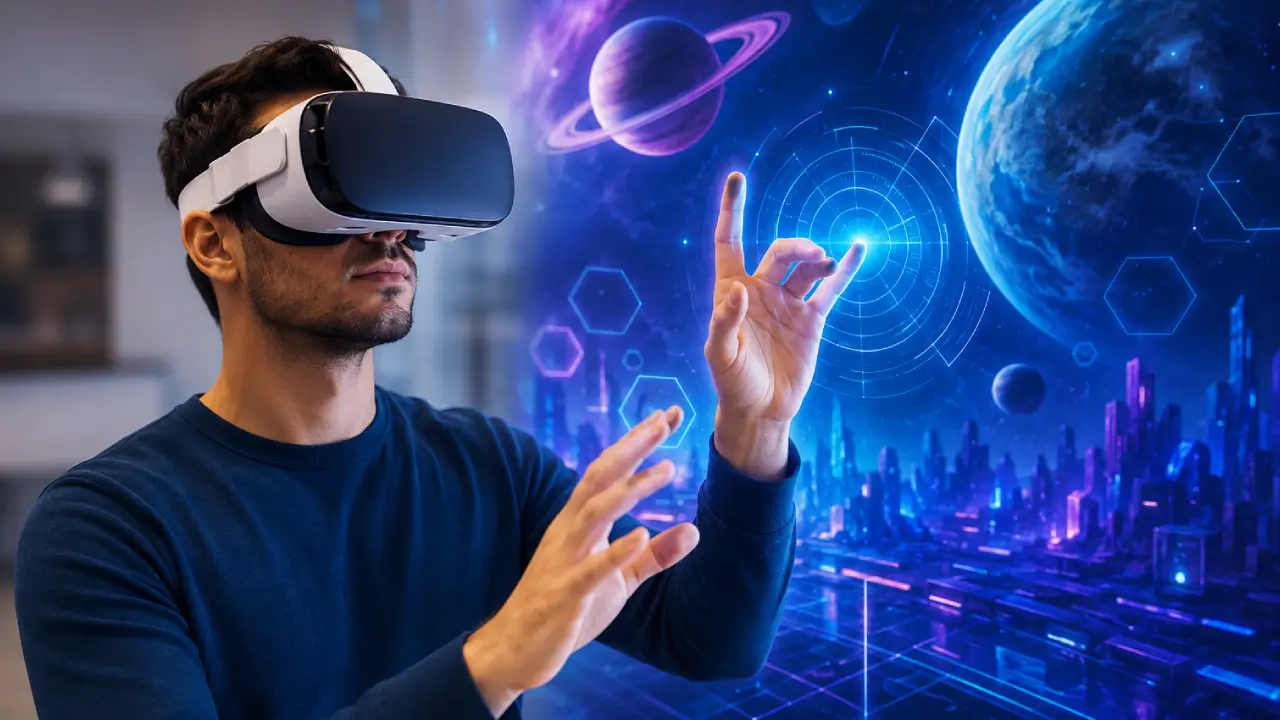
The gaming industry remains one of the largest drivers of VR adoption. Modern VR Games provide players with an immersive experience that traditional gaming cannot match. Whether exploring fantasy worlds, competing in racing simulations, or participating in action-packed adventures, players feel physically connected to the game environment. Popular VR Gaming platforms continue to release new titles that push the boundaries of realism and interaction. As technology improves, experts predict that VR gaming will become even more advanced, offering better graphics, enhanced motion tracking, and more realistic gameplay experiences.
The growing popularity of VR headsets and gaming accessories indicates that Virtual Reality Gaming will remain a major trend in the entertainment industry for years to come.
Use of VR Technology in Education
Virtual Reality (VR) in education is one of the fastest-growing trends in modern learning systems. It is transforming traditional classroom methods by offering students an interactive and immersive learning experience. Instead of only reading textbooks or watching videos, students can now explore complex topics through virtual environments.
For example, VR allows students to take virtual trips to space, explore planets in 3D, or understand human anatomy in a highly detailed and interactive way. Subjects like science, history, and geography become more engaging when students can visually experience what they are learning.
This technology also helps improve understanding and retention, as practical visualization makes difficult concepts easier to grasp. As a result, learning becomes more enjoyable, effective, and student-friendly. Virtual Reality is gradually becoming an important tool in modern education systems worldwide.
Benefits of Virtual Reality Technology
Virtual Reality (VR) offers many benefits across different industries. One of its biggest advantages is immersive learning and training. Instead of simply reading or watching videos, users can interact with virtual environments and gain hands-on experience. This makes learning more effective and engaging. In the business world, companies use VR for employee training, product demonstrations, and virtual meetings. Employees can practice real-life situations in a safe environment before handling actual tasks. This reduces mistakes and improves overall productivity.
VR is also transforming the entertainment industry. Movies, games, and interactive experiences are becoming more realistic than ever before. Users can explore virtual worlds, interact with digital objects, and enjoy a level of engagement that traditional media cannot provide.
Another important benefit of VR is accessibility. People who cannot travel due to financial, physical, or geographical limitations can explore famous destinations, museums, and cultural landmarks through virtual tours. This creates new opportunities for learning and exploration.
Challenges and Limitations of VR Technology
Despite its many advantages, Virtual Reality technology still faces several challenges. One of the main limitations is the cost of VR hardware. High-quality VR headsets and accessories can be expensive, making them less accessible for some users. Another challenge is motion sickness. Some users may experience dizziness, nausea, or discomfort during extended VR sessions. Developers continue to improve VR systems to reduce these issues and create a smoother experience.
Technical requirements can also be a barrier. Many advanced VR applications require powerful computers, high-speed internet connections, and specialized equipment. This may limit adoption in certain regions.
Privacy and data security are becoming growing concerns as VR platforms collect user data and behavioral information. Companies must ensure proper security measures are in place to protect user privacy.
Metaverse and Future of VR Technology
The future of the Metaverse is closely connected to Virtual Reality (VR). As VR technology continues to advance, people will be able to interact, work, learn, and socialize in immersive digital environments. Instead of simply viewing content on a screen, users will experience virtual spaces where they can communicate with others, attend events, collaborate on projects, and explore digital worlds in real time.
Major technology companies are investing heavily in VR and Metaverse development because they believe these technologies could transform the way people interact online. In the coming years, Virtual Reality may play an important role in remote work, virtual education, online shopping, entertainment, and social networking. As VR hardware becomes more affordable and accessible, the Metaverse could become a significant part of everyday digital life, creating new opportunities for businesses, educators, and consumers alike.
Future of VR Technology in Everyday Life
In the coming years, Virtual Reality is expected to become a part of everyday life. Experts believe that people will use VR for shopping, entertainment, education, healthcare, and even social interactions. Instead of visiting a physical store, customers may explore virtual shopping malls and examine products in a realistic 3D environment before making a purchase.
The integration of VR with Artificial Intelligence (AI) and the Metaverse will create more personalized and immersive experiences. Remote workers may collaborate in virtual offices, students may attend interactive virtual classrooms, and travelers may explore destinations without leaving their homes.
As VR hardware becomes more affordable and technology continues to improve, adoption is expected to increase worldwide. This growth could transform how people learn, work, communicate, and experience digital content in the future.
Virtual Reality in Business and Corporate Training
Businesses around the world are increasingly adopting VR technology to improve training programs and workplace efficiency. Instead of traditional classroom sessions, employees can participate in realistic simulations that replicate workplace scenarios.
For example, pilots use flight simulators to practice emergency situations, while healthcare professionals use VR training systems to improve surgical skills. Retail companies also use VR to train employees in customer service and store management.
Virtual meetings are another emerging use case. With the growth of remote work, VR collaboration platforms allow employees to interact in virtual office environments, creating a more engaging alternative to standard video conferencing.
Use of VR in Medical Field
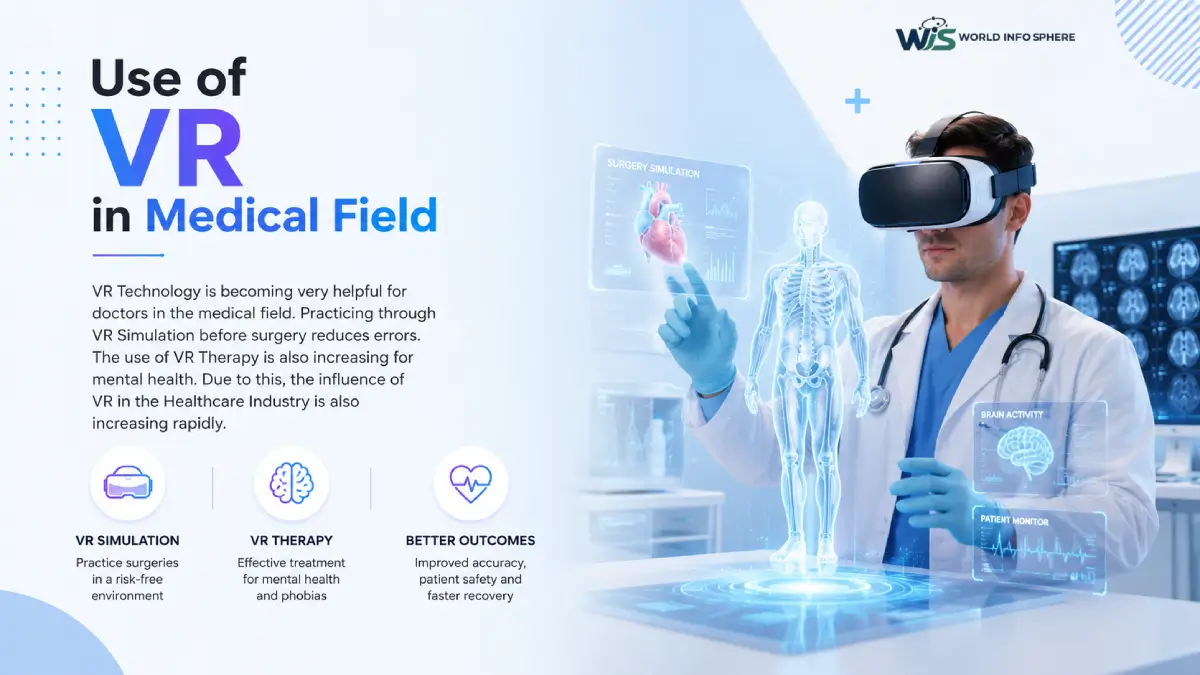
VR Technology is becoming very helpful for doctors in the medical field. Practicing through VR Simulation before surgery reduces errors. The use of VR Therapy is also increasing for mental health. Due to this, the influence of VR in the Healthcare Industry is also increasing rapidly.
Surgery Training and Medical Simulations
One of the most important applications of Virtual Reality in healthcare is surgery training. Medical students and surgeons can practice complex procedures in a realistic virtual environment before performing them on actual patients. VR simulations help doctors improve their skills, understand surgical techniques, and reduce the chances of errors during real operations. This hands-on training approach allows healthcare professionals to gain confidence while ensuring patient safety.
Mental Health Therapy
Virtual Reality is also transforming mental health treatment. Therapists use VR Therapy to help patients manage anxiety, stress, phobias, and post-traumatic stress disorder (PTSD). For example, a person with a fear of heights can gradually experience virtual high places in a controlled environment under professional supervision. This method helps patients overcome fears more effectively and comfortably than traditional approaches.
Pain Management Using VR
Many hospitals are now using VR Technology as a tool for pain management. Patients undergoing medical procedures or recovering from injuries can use VR experiences to distract themselves from pain and discomfort. Many healthcare organizations are exploring VR-based solutions to improve patient comfort and support recovery programs.
Medical Education with VR
Virtual Reality is making medical education more interactive and effective. Instead of relying solely on textbooks, students can explore detailed 3D models of the human body, organs, and biological systems. This immersive learning experience helps students understand complex medical concepts more clearly and retain information more effectively.
Patient Rehabilitation with VR
VR is also playing a significant role in physical rehabilitation programs. Patients recovering from strokes, injuries, or surgeries can perform guided exercises in virtual environments designed to improve mobility, coordination, and strength. These interactive rehabilitation programs often increase patient motivation and engagement, leading to better recovery outcomes.
As healthcare technology continues to evolve, the role of Virtual Reality in medicine is expected to expand even further. From advanced surgical training to patient rehabilitation and mental health therapy, VR Technology is helping create safer, more efficient, and patient-centered healthcare solutions for the future.
Also read this post:
What is Technology? Trends, AI Technology and Latest News
Top 10 Digital Trends in 2026 You Must Know (AI & Tech)
How to Earn Money Online Using AI Tools
How Digital Technology is Changing Education in 2026: What Students Must Know
How to Stay Safe Online in 2026 (Most People Ignore These Risks)
What Is a White Hat Hacker? Complete Guide for Beginners
Conclusion
Virtual Reality (VR) is rapidly reshaping industries such as gaming, education, healthcare, and business. As VR hardware becomes more affordable and technology continues to advance, immersive digital experiences will become a regular part of daily life. From virtual classrooms and remote workplaces to realistic gaming and healthcare simulations, VR has the potential to redefine how people interact with the digital world.”
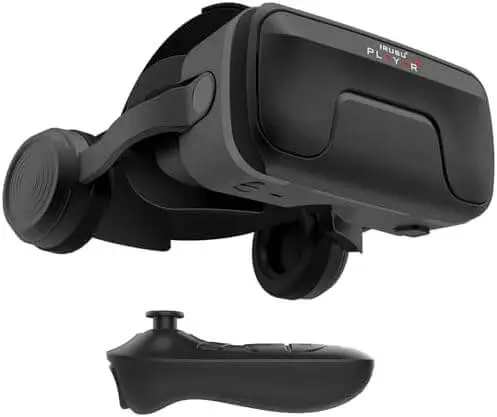
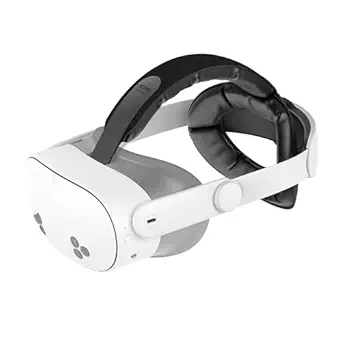
Recommended Products
FAQs About Virtual Reality (VR)
What is Virtual Reality (VR)?
Virtual Reality is a technology that creates a computer-generated digital environment where users can experience a realistic virtual world using a VR headset.
How does VR Technology work?
VR Technology works through VR headsets, motion sensors, and 3D visuals that create an immersive experience for users in a virtual environment.
What are the main uses of Virtual Reality?
Virtual Reality is widely used in:
1. VR Gaming
2. Education
3. Healthcare
4. Medical Training
5. Architecture
6. Business Meetings
7. Entertainment Industry
How is VR used in the Medical Field?
VR in Healthcare helps doctors practice surgery through VR Simulation, reducing medical errors. VR Therapy is also used for mental health treatment and patient rehabilitation.
What are the benefits of VR Technology?
Benefits of VR Technology include:
1. Realistic learning experience
2. Better gaming experience
3. Improved medical training
4. Advanced virtual meetings
5. Enhanced digital interaction
What is the future of Virtual Reality?
The future of Virtual Reality is very promising. VR and Metaverse are expected to transform gaming, education, shopping, and online communication in the coming years.
Is VR Technology expensive?
Some advanced VR headsets can be expensive, but many affordable VR devices are now available for gaming and educational purposes.
Which industries are growing with VR Technology?
Industries growing rapidly with VR include:
1. Gaming Industry
2. Healthcare Industry
3. Education Sector
4. Real Estate
5. Digital Entertainment
Why is VR becoming popular?
VR is becoming popular because it offers immersive experiences, realistic simulations, and innovative digital interaction for users.
Is Virtual Reality safe to use?
Yes, Virtual Reality is generally safe when used for limited periods. However, excessive use may cause eye strain or dizziness for some users.