Introduction
In today’s digital age, technology is advancing rapidly. We are no longer limited to just mobile or computer, but a new technology has come to connect the real world with the digital world, which we call Augmented Reality (AR).
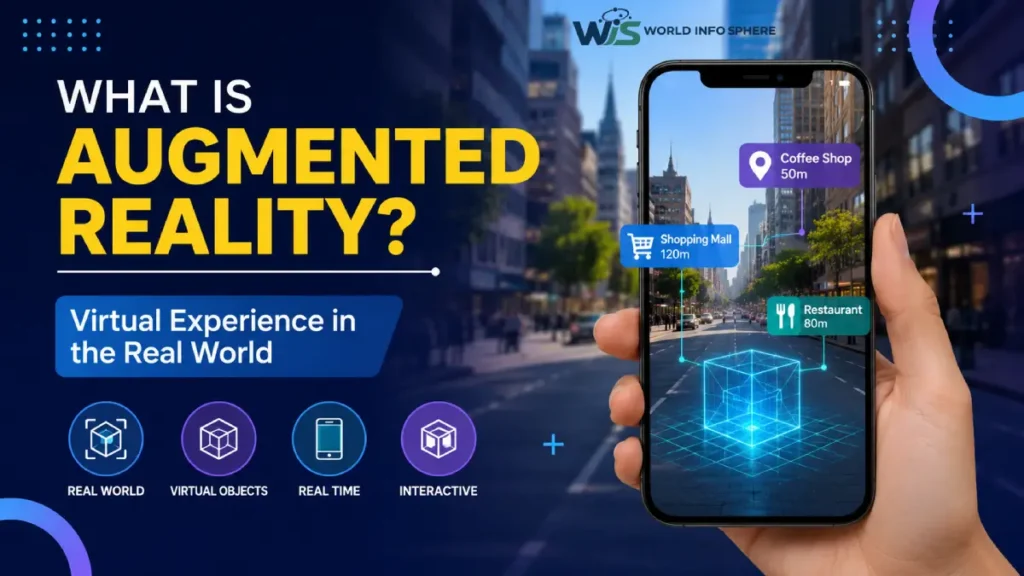
Augmented Reality (AR) is a technology in which virtual objects, images, sounds or 3D elements are overlayed on the real world (what we see with our eyes). That is, computer-generated information is added to the real world you see.
In today’s time, people often ask:
1. what is augmented reality?
2. What is augmented reality meaning?
3. How does AR technology work?
In this blog, we will know the simple and deep answers to all these questions.
Augmented Reality Meaning (Simple Definition)
Augmented Reality meaning is “enhancing the real world with digital elements”.
In simple terms:
AR is a technology in which your mobile camera shows the real world and adds virtual objects on top of it. This is what we call virtual experience in real world technology.
For example:
- You are looking at the mobile camera and a cartoon character appears on the screen
- Or in the furniture app you can see a sofa placed virtually in your room
All these are part of AR technology.
What is AR Technology? (What is AR Technology?)
AR technology is an advanced system that mixes computer graphics with the real world.
This technology has three main elements:
1. Camera (to capture the real world)
2. Sensors (to detect location and movement)
3. Software (to generate virtual objects)
That is, AR technology provides a “smart digital layer” to the real world.
How Augmented Reality Works
For many people, this is the most interesting question: how augmented reality works?
The following steps are followed to make AR work:
1. Real World Capture
Mobile or AR glasses cameras capture the real world.
2. Data Processing
Software analyzes the scene (recognizes floor, wall, object).
3. Virtual Object Addition
Then the system overlays virtual 3D objects on the real world.
4. Real-Time Interaction
As you move, virtual objects also adjust in real time.
In this way, AR gives you a “mixed reality experience”.
Augmented Reality Examples in Real Life
Now let’s look at augmented reality examples in real life:
1. Gaming (Pokémon GO)
In the Pokémon GO game, virtual characters appear on real streets.
2. Furniture Shopping Apps
In apps like IKEA, you can see a virtual sofa, table in your room.
3. Social Media Filters
Instagram and Snapchat filters add virtual effects to your face.
4. Education
Students can learn 3D human bodies or planets visually with AR.
5. Medical Field
Doctors use AR models for surgery planning.
Augmented Reality Applications (Uses)
Augmented reality applications are found in many sectors today:
- Education (interactive learning)
- Gaming industry
- Healthcare
- Real estate (virtual property tours)
- Retail shopping
- Automotive design
- Tourism (virtual guide systems)
AR is no longer just entertainment, but has also become important in professional industries.
Advantages of Augmented Reality
AR technology has many advantages:
- Learning becomes more interactive
- Real-life experience is provided
- Decision making becomes easier (in shopping)
- Entertainment becomes more engaging
- Training (medical, aviation) becomes safer
For this reason, AR is considered the future technology.
Disadvantages of AR
Every technology has some limitations:
- Requires high cost devices
- Battery consumption increases
- There may be privacy concerns
- Depends on Internet and processing power
- Technical errors can sometimes spoil the experience
AR vs Virtual Reality (Comparison)
Many people confuse AR and VR.
| Feature | Augmented Reality | Virtual Reality |
| Environment | Real world + digital | Completely virtual |
| Devices | Mobile, AR glasses | VR headset |
| Experience | Mixed reality | Fully immersive |
| Example | Pokémon GO | VR gaming world |
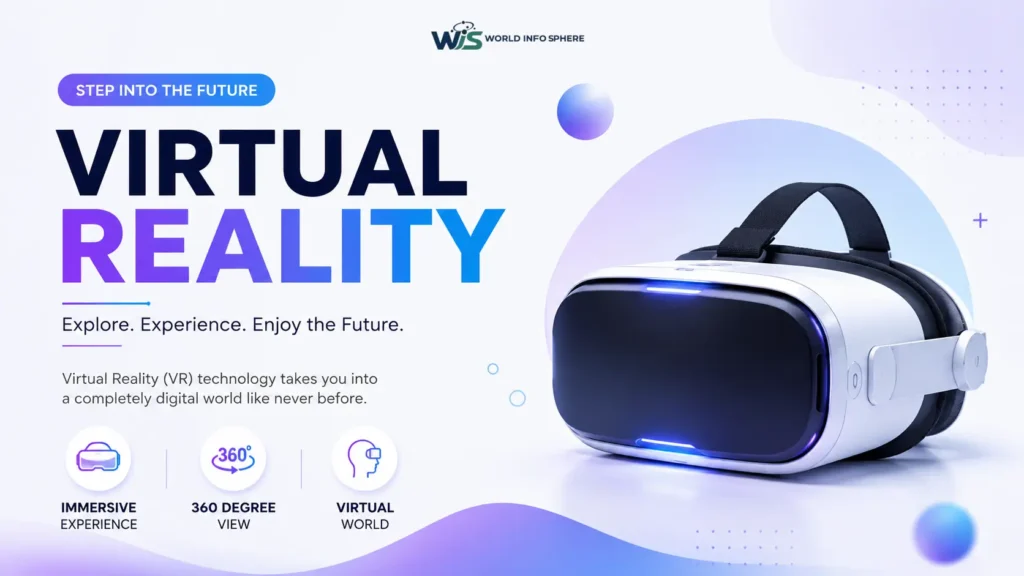
AR enhances the real world, while VR takes you to a different world.
Continue reading: What is Virtual Reality (VR) ?: Explore the Future of Digital Technology
Future Scope of Augmented Reality
According to the augmented reality guide, the future of AR is very strong.
In the coming time:
- Smart AR glasses will become common
- Shopping can become completely virtual
- Education will be fully interactive
- Navigation will be with real-time AR maps
- Work meetings will be through virtual holograms
AR will become a part of daily life in the future.
Also read this post:
What is Google Gemini AI? Google’s most powerful AI technology
AI Tools for Instagram Reels & Social Media Content
How to Earn Money from Instagram at Home
What is Freelancing? A Complete Guide to Earning Money Online from Home
How to Create a Gig (Step-by-Step Process for Beginners
What Is a White Hat Hacker? Complete Guide for Beginners
Conclusion
In today’s time, it is very important to understand what augmented reality is in simple words because this technology is shaping the future. Augmented Reality (AR) creates a new experience by combining the real world and the digital world. It is useful in many fields like education, gaming, healthcare and shopping.
In simple words: AR is a technology that makes your real world more smart, interactive and informative.
Frequently Asked Questions (FAQ) – Augmented Reality (AR)
What is the simple meaning of AR technology?
AR technology means combining the real world with digital elements to create a more interactive and informative experience.
What is Augmented Reality (AR)?
Augmented Reality (AR) is a technology in which virtual images, 3D objects and digital information are overlaid on the real world, so that the user gets an enhanced experience.
What are the examples of augmented reality in real life?
Real-life examples:
1. Pokémon GO game
2. Instagram/Snapchat face filters
3. IKEA furniture app (virtual furniture in the room)
4. AR-based education apps
What is augmented reality in simple words?
In simple words, AR is a technology in which you see the real world and also see virtual objects on it through a mobile or device.
How does AR technology work?
AR uses cameras, sensors, and software to capture the real world and overlay virtual objects on it in real-time.
What is the difference between AR and VR?
AR combines digital elements with the real world, while VR takes you into a completely virtual world.
Where are augmented reality applications used
AR is used in many fields such as gaming, education, healthcare, shopping, real estate, automotive design, and tourism.
What are the disadvantages of Augmented Reality?
High cost devices, battery drain, privacy issues, and technical limitations are the main drawbacks of AR.
What are the advantages of Augmented Reality?
AR makes learning easier, shopping a better experience, training safer, and entertainment more interactive.
What is the scope of AR in the future?
In the future, AR will bring a big change in smart glasses, education, healthcare, shopping, and virtual communication.